Defining the RL556v3: Purpose, Platform Compatibility, and Materials That Matter
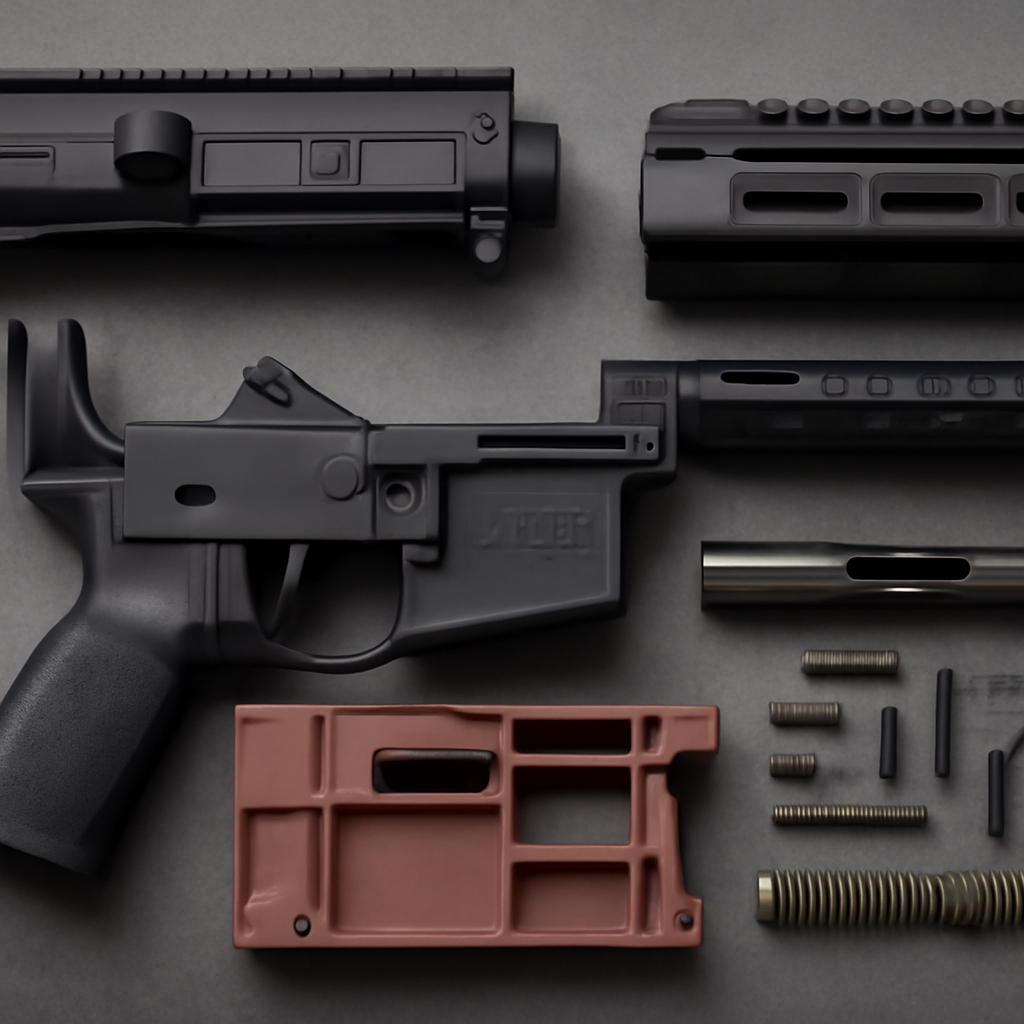
The RL556v3 is widely recognized among firearm-parts enthusiasts as a polymer-based AR-15 lower platform engineered for hobbyists who value weight savings, ergonomics, and modularity. Designed around the ubiquitous 5.56/.223 AR ecosystem, the RL556v3 aligns with common MIL-SPEC component standards so builders can tap into the broadest possible selection of compatible uppers, triggers, stocks, and small parts. At its core, the RL556v3 brings a contemporary approach to the classic AR-15 lower layout, offering a composite construction that emphasizes corrosion resistance, smarter geometry, and practical handling characteristics without abandoning the familiar control scheme preferred by many shooters.
One of the hallmarks of the RL556v3 concept is its use of reinforced polymer where strength is most required, especially around the buffer tower and receiver extension area. By distributing stress across strategic ribs and surfaces, a well-executed polymer lower can provide effective durability while keeping the overall weight down. This balance is especially attractive to those building compact carbines or range rifles where agility and fatigue reduction are paramount. For shooters who carry their platforms across long training days or who simply prefer a nimble feel, shaving ounces off the lower receiver can make a meaningful difference.
Ergonomically, the RL556v3 lineage is known for thoughtful features such as a contoured grip interface, a flared or smoothly guided magazine well for easier reloads, and an integrated trigger-guard profile. The tactile benefits of polymer—subtle flex characteristics and temperature friendliness—are notable for users training in cold or wet environments. While aluminum remains a gold standard for many traditionalists, modern polymer formulations and molding techniques have elevated composite receivers into a credible alternative category, especially when the design integrates reinforcements and geometry tailored to manage stress in a semi-automatic 5.56 platform.
Historically, the RL556v3 has been associated with receiver blanks and hobbyist-oriented projects. As with all such components, prospective buyers must verify their local requirements before purchasing or attempting any work. Regulations vary by state, county, and municipality, and federal rules may also apply. Responsible enthusiasts focus on compliance first, ensuring that any parts acquisition and subsequent build decisions align with the laws of their jurisdiction. For product browsing and component research tied to this platform, many users start with resources like rl556v3 to better understand category options, availability, and support considerations.
Key Strengths and Practical Considerations: Ergonomics, Performance, and Compliance
The RL556v3 appeals to hobbyists because it straddles performance and practicality. On the performance side, shooters appreciate the recoil-handling characteristics of a composite lower mated to a standard 5.56 upper. While the upper receiver, barrel, and buffer system do much of the heavy lifting in any AR’s cycling behavior, the lower’s geometry, rigidity, and overall feel can influence perceived recoil and follow-up shot cadence. By using polymer as the base material, the RL556v3 can dampen minor vibrations while removing ounces from the overall system—advantages that are immediately apparent during extended range sessions.
In terms of fitment, the RL556v3 family targets MIL-SPEC compatibility to pair with a wide array of uppers, trigger groups, takedown pins, and stocks. That said, attention to tolerances is crucial. Builders who value a crisp trigger feel often prioritize well-known aftermarket triggers; most quality units designed to AR standards should interface with a properly spec’d polymer lower. Magwell geometry is another performance touchpoint. The RL556v3’s design typically emphasizes smooth reloads, a benefit for both new shooters learning the manual of arms and seasoned enthusiasts chasing faster, more consistent magazine changes. The integrated trigger-guard shape can also improve comfort when shooting with gloves or in awkward offhand positions.
Durability is a frequent topic of discussion with composite lowers. Reinforced polymer receivers like the RL556v3 aim to deliver longevity within the typical 5.56 use case, assuming parts pairing is appropriate and component quality is consistent. Environmental factors—heat cycles from repeated firing, exposure to moisture or dust, and storage conditions—matter for any firearm, regardless of material. With polymer, a good maintenance routine and sensible handling practices help preserve both function and finish. As a general rule, hobbyists should follow manufacturer guidance, conduct routine inspections of high-stress areas like the buffer tower and trigger pin holes, and consult qualified professionals if they detect unusual wear.
It is equally important to stress compliance. Components categorized as receiver blanks, partially completed receivers, or similar items are regulated differently depending on location and changing policy landscapes. Responsible ownership begins with understanding the distinction between parts and legally defined firearms, as well as what activities require serialization, markings, or transfer through a licensed dealer. Any prospective buyer should verify current federal rules and their state’s statutes before making a purchase decision. If local laws impose conditions on possession, machining, or transfer, those rules must guide the process from start to finish. Ethical, compliant participation in the firearm hobby is the surest way to sustain access to parts and community trust.
Use Cases, Builds, and Real-World Scenarios: From Lightweight Carbines to Training Platforms
Where the RL556v3 often shines is in lightweight carbines and recreational training builds. A compact 16-inch carbine outfitted with a well-balanced handguard, minimalist stock, and a polymer lower can feel markedly more agile without compromising the manual of arms that shooters know. For range sessions emphasizing fundamentals—sight alignment, trigger press, and target transitions—the lighter configuration helps shooters stay on the gun longer with less fatigue. Paired with a reliable 5.56 upper and quality ammunition, the platform can deliver repeatable results while keeping recoil manageable for newer shooters learning the AR system.
Competition-minded hobbyists sometimes use composite lowers as a starting point for speed-oriented builds. The advantages of a flared magwell and light overall weight can show up on the shot timer, especially in drills requiring fast reloads and rapid transitions. Meanwhile, shooters who want a training rifle to share with family members may appreciate the ergonomics of polymer, particularly when shooting in colder months where an aluminum receiver can feel frigid to the touch. The RL556v3’s emphasis on modern geometry supports these varied goals as long as the rest of the component choices—buffer system, trigger, sights or optics—are selected for reliability and consistent performance.
Caliber choices should be matched to the receiver’s intended design envelope. Most users stay within the 5.56/.223 domain or use alternatives like .223 Wylde barrels, which can enhance versatility with different ammunition types. While AR-pattern rifles can be configured for more forceful cartridges such as .300 BLK, prudent builders acknowledge that not all lower receivers are optimized for heavy-recoil or high-impulse setups. Anyone considering atypical calibers or specialized configurations should consult manufacturer guidance to ensure that the lower’s material and geometry are suited to the application. Balanced builds—where barrel length, gas system, buffer weight, and bolt carrier mass are tuned in concert—tend to deliver the best reliability on a polymer foundation.
Responsible practice extends beyond assembly. Regular inspection routines—checking for component loosening, verifying that takedown pins remain snug, and monitoring the buffer area for signs of stress—help maintain function over time. Storage matters too. Keeping the rifle dry, clean, and protected from UV exposure promotes longevity for polymer surfaces and coatings alike. If in doubt, a qualified armorer or gunsmith can evaluate wear patterns and recommend maintenance steps that keep the system in its comfort zone. This approach is especially valuable for high-round-count users who put significant cycles through their rifles during training or matches.
Real-world experiences underscore the RL556v3’s practicality. Consider a hobbyist who wants a reliable, low-recoil carbine for local range work and carbine classes. Starting with a polymer lower, that shooter can shave weight, select a mid-length 5.56 upper for smoother cycling, and opt for a quality single-stage trigger known to play well with composite receivers. With a slim M-LOK handguard and lightweight optic, the rifle becomes a well-balanced learning platform that is easy to shoulder and carry through multi-hour sessions. Another enthusiast might pursue a budget-conscious home training setup, prioritizing components with proven track records for fit and reliability. In both cases, success comes from thoughtful parts matching, a commitment to safety, and adherence to all applicable laws.
Ultimately, the RL556v3 represents a specific philosophy in AR-15 lower design: leverage modern polymer technology to deliver accessible weight savings, smart ergonomics, and a familiar control interface. When paired with reputable components and cared for correctly, a polymer lower can deliver satisfying performance in common 5.56/.223 roles. Whether the goal is a lightweight training carbine, an entry-level competition rifle, or a clean, modular range setup, the RL556v3 approach gives enthusiasts a foundation to explore the platform’s possibilities while keeping compliance and responsible ownership at the center of every decision.

Karachi-born, Doha-based climate-policy nerd who writes about desalination tech, Arabic calligraphy fonts, and the sociology of esports fandoms. She kickboxes at dawn, volunteers for beach cleanups, and brews cardamom cold brew for the office.